JEU CONSULT

JEU CONSULT

UI/UX case study

Medecine

UI/UX

Brand design

Role:

UX researcher

UI Designer

Logo design

Collaborators:

Fon Teboh - Project cordinator

Fomenky Jason - senior designer

Ngoe Erica - Project manager/ UI/UX designer

Introduction

Introduction

JEU CONSULT™ is a digital consultation assistant that allows healthcare workers to speak instead of type, generating clean consultation summaries instantly from voice, even without internet. Developed by a dedicated team of clinicians, designers, and engineers led by Dr. Serge Batcho and Engineer Fon Teboh of Visionary Technologies Company (VTC), the solution respects the autonomy of doctors, avoids replacing their clinical reasoning, and offers a hybrid model: offline-first desktop deployment backed by optional cloud sync and printing. 

JEU CONSULT™ is a digital consultation assistant that allows healthcare workers to speak instead of type, generating clean consultation summaries instantly from voice, even without internet. Developed by a dedicated team of clinicians, designers, and engineers led by Dr. Serge Batcho and Engineer Fon Teboh of Visionary Technologies Company (VTC), the solution respects the autonomy of doctors, avoids replacing their clinical reasoning, and offers a hybrid model: offline-first desktop deployment backed by optional cloud sync and printing. 

JEU CONSULT™ is a digital consultation assistant that allows healthcare workers to speak instead of type, generating clean consultation summaries instantly from voice, even without internet. Developed by a dedicated team of clinicians, designers, and engineers led by Dr. Serge Batcho and Engineer Fon Teboh of Visionary Technologies Company (VTC), the solution respects the autonomy of doctors, avoids replacing their clinical reasoning, and offers a hybrid model: offline-first desktop deployment backed by optional cloud sync and printing. 

JEU CONSULT™ is a digital consultation assistant that allows healthcare workers to speak instead of type, generating clean consultation summaries instantly from voice, even without internet. Developed by a dedicated team of clinicians, designers, and engineers led by Dr. Serge Batcho and Engineer Fon Teboh of Visionary Technologies Company (VTC), the solution respects the autonomy of doctors, avoids replacing their clinical reasoning, and offers a hybrid model: offline-first desktop deployment backed by optional cloud sync and printing. 

Introduction

Problem statement

Problem statement

Across Africa, doctors are spending far too much of their consultation time on filling out paper records; sometimes up to 25% of their session—leaving less time for actual patient care. At the same time, digital EMR systems are either slow, dependent on internet, or simply not designed for real-life clinical workflows.

Across Africa, doctors are spending far too much of their consultation time on filling out paper records; sometimes up to 25% of their session—leaving less time for actual patient care. At the same time, digital EMR systems are either slow, dependent on internet, or simply not designed for real-life clinical workflows.

Across Africa, doctors are spending far too much of their consultation time on filling out paper records; sometimes up to 25% of their session—leaving less time for actual patient care. At the same time, digital EMR systems are either slow, dependent on internet, or simply not designed for real-life clinical workflows.

Across Africa, doctors are spending far too much of their consultation time on filling out paper records; sometimes up to 25% of their session—leaving less time for actual patient care. At the same time, digital EMR systems are either slow, dependent on internet, or simply not designed for real-life clinical workflows.

Problem statement

Design process

Design process

Design process

1.

1.

Research and Discovery

Research and Discovery

This phase involved understanding the context of the app, conducting user research and interviews with stakeholders, mapping out their pain points and constraints. This helped define key objectives for the project.

This phase involved understanding the context of the app, conducting user research and interviews with stakeholders, mapping out their pain points and constraints. This helped define key objectives for the project.

This phase involved understanding the context of the app, conducting user research and interviews with stakeholders, mapping out their pain points and constraints. This helped define key objectives for the project.

This phase involved understanding the context of the app, conducting user research and interviews with stakeholders, mapping out their pain points and constraints. This helped define key objectives for the project.

Key Objectives of the project

  • It is being built specifically to reduce the time doctors spend filling forms

  • Accelerate adoption of electronic health records in Africa

  • Reduce the amount of consultation time spent on paperwork

  • Ease hospital management through a centralized system

  • Adapt to rural conditions easily

  •  Preserve both paper and digital archives to match the current health system reality.

  • It is being built specifically to reduce the time doctors spend filling forms

  • Accelerate adoption of electronic health records in Africa

  • Reduce the amount of consultation time spent on paperwork

  • Ease hospital management through a centralized system

  • Adapt to rural conditions easily

  •  Preserve both paper and digital archives to match the current health system reality.

  • It is being built specifically to reduce the time doctors spend filling forms

  • Accelerate adoption of electronic health records in Africa

  • Reduce the amount of consultation time spent on paperwork

  • Ease hospital management through a centralized system

  • Adapt to rural conditions easily

  •  Preserve both paper and digital archives to match the current health system reality.

  • It is being built specifically to reduce the time doctors spend filling forms

  • Accelerate adoption of electronic health records in Africa

  • Reduce the amount of consultation time spent on paperwork

  • Ease hospital management through a centralized system

  • Adapt to rural conditions easily

  •  Preserve both paper and digital archives to match the current health system reality.

1.

Research and Discovery

understanding the user

understanding the user

Who is the app built for?

  • General Practitioners : focus on patient care, not documentation

  • Midwives & Nurses : Streamlined workflow for frontline care

  • Small Clinics & Rural Hospitals : Reliable tools for resource-limited settings

  • Secretaries & Admin Teams : Efficient patient record management

After conducting user interviews with potential users of the product, These are some common statements we gathered:

After conducting user interviews with potential users of the product, These are some common statements we gathered:

After conducting user interviews with potential users of the product, These are some common statements we gathered:

After conducting user interviews with potential users of the product, These are some common statements we gathered:

"I want to focus on my patient, not spend 20 minutes typing."

"I want to focus on my patient, not spend 20 minutes typing."

"I want to focus on my patient, not spend 20 minutes typing."

"I want to focus on my patient, not spend 20 minutes typing."

"We don't want AI guessing diseases. We just need fast tools."

"We don't want AI guessing diseases. We just need fast tools."

"We don't want AI guessing diseases. We just need fast tools."

"We don't want AI guessing diseases. We just need fast tools."

“I want an efficient system I can trust”

“I want an efficient system I can trust”

“I want an efficient system I can trust”

“I want an efficient system I can trust”

"Let me work offline and print records when needed."

"Let me work offline and print records when needed."

"Let me work offline and print records when needed."

"Let me work offline and print records when needed."

User pain points

User pain points

  • Most EMR systems are slow, internet-dependent, and not made for real clinical work.

  • Doctors waste too much time on typing and admin tasks.

  • Paper is still needed for compliance and EMRs don't support that.

  • AI that suggests diagnoses is unwanted and untrusted by clinicians.
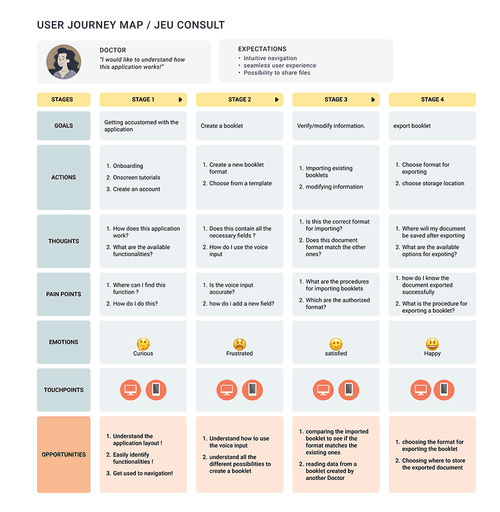
User Journey

User Journey

The solution

The solution

  • A modern medical record system that is easy to adopt without changing anything about how the doctors work.

  • Works with or without internet

  • Converts voice to consultation summaries

  • Built for general practitioners, nurses, and admins

  • Supports printable patient files for archiving

  • No AI diagnoses ; doctors stay in control

  • Keeps data secure, synced, and backed up

2.

Branding and visual design

Branding and visual design

App Logo

App Logo

App Logo

2.

Branding and visual design

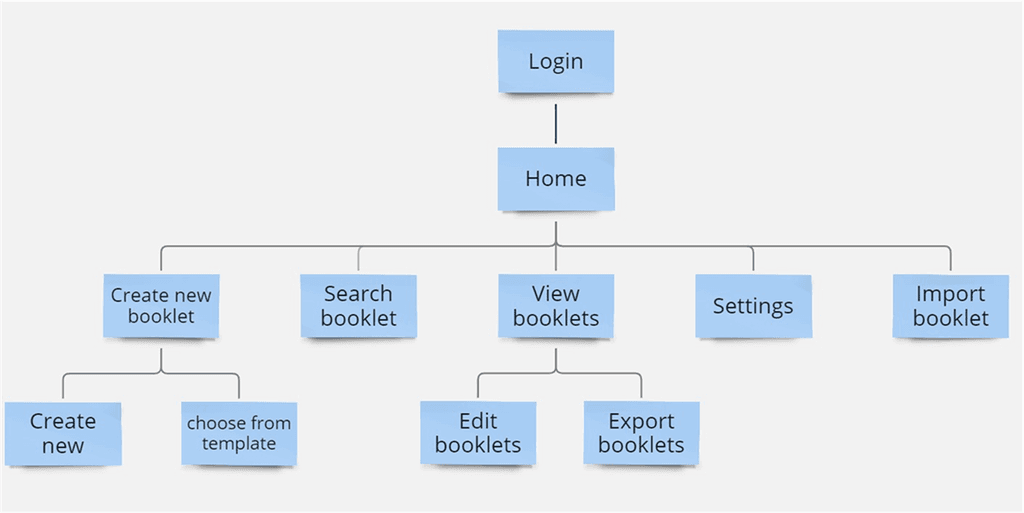
User flow

User flow

User flow

Design system

Design system

We used Microsft’s fluent 2 design system as it presents comprehensive library of readymade assets and guidelines that make design faster
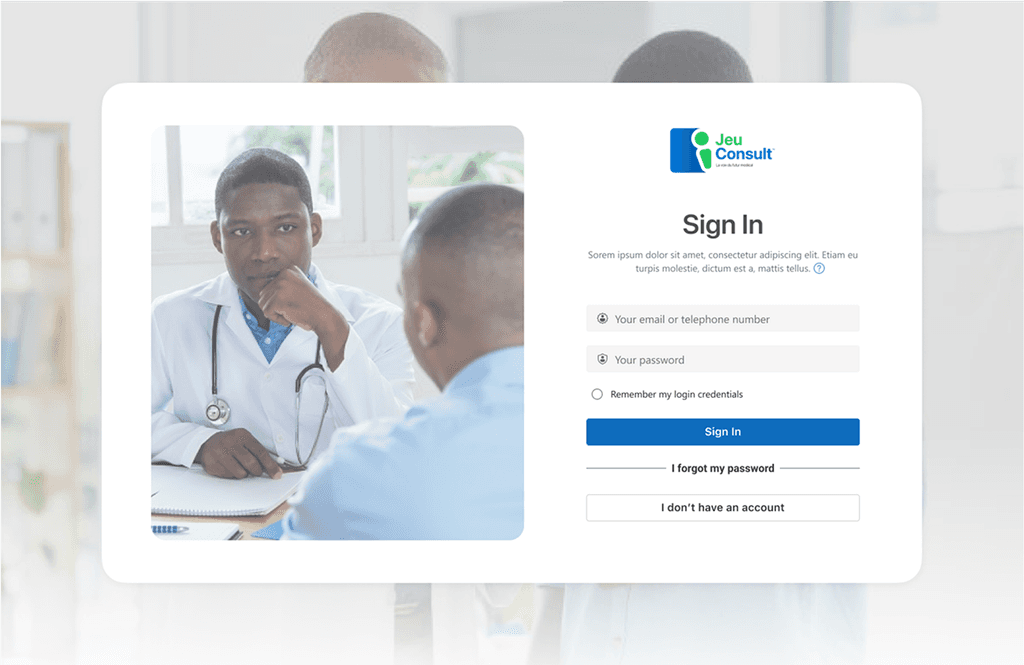
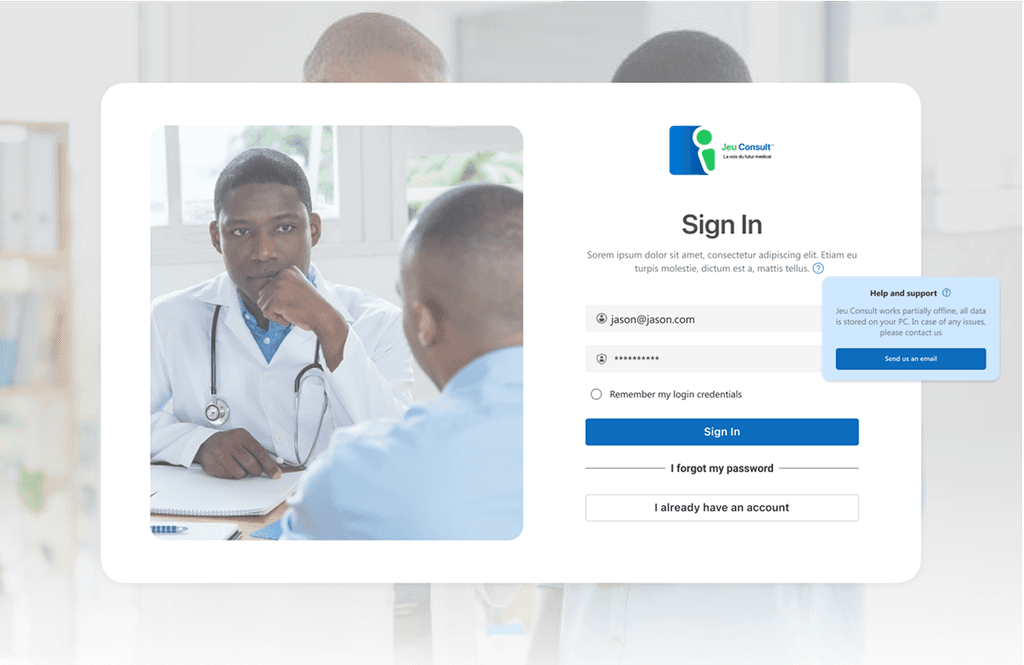
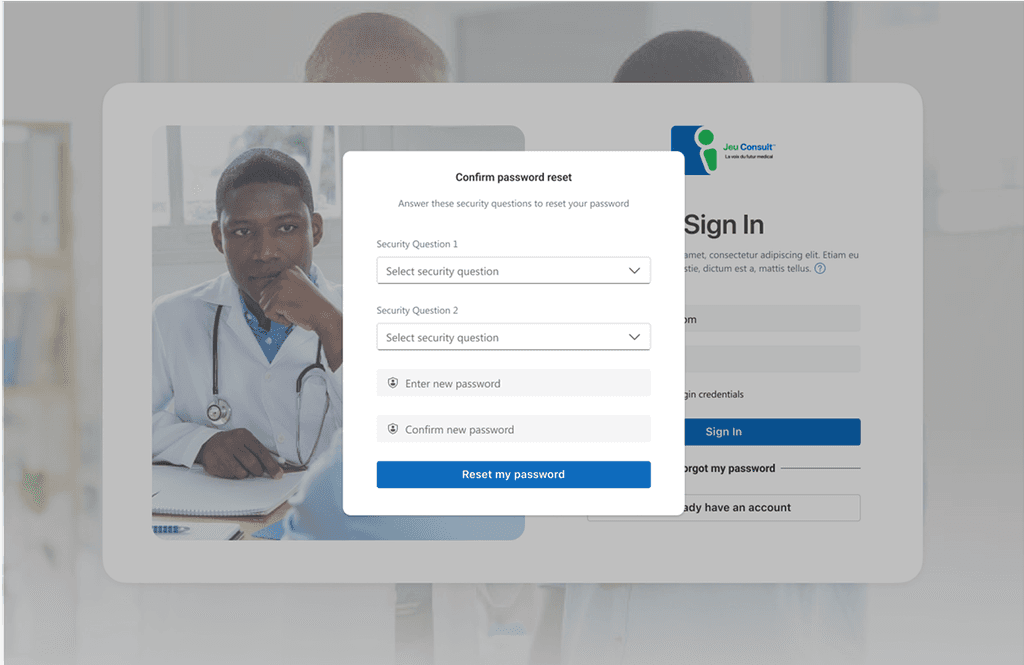
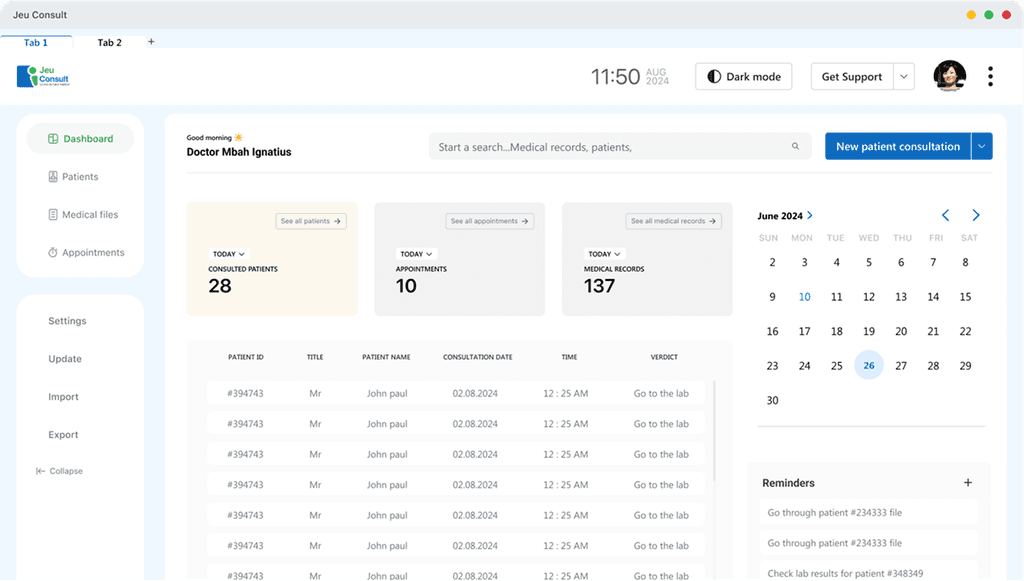
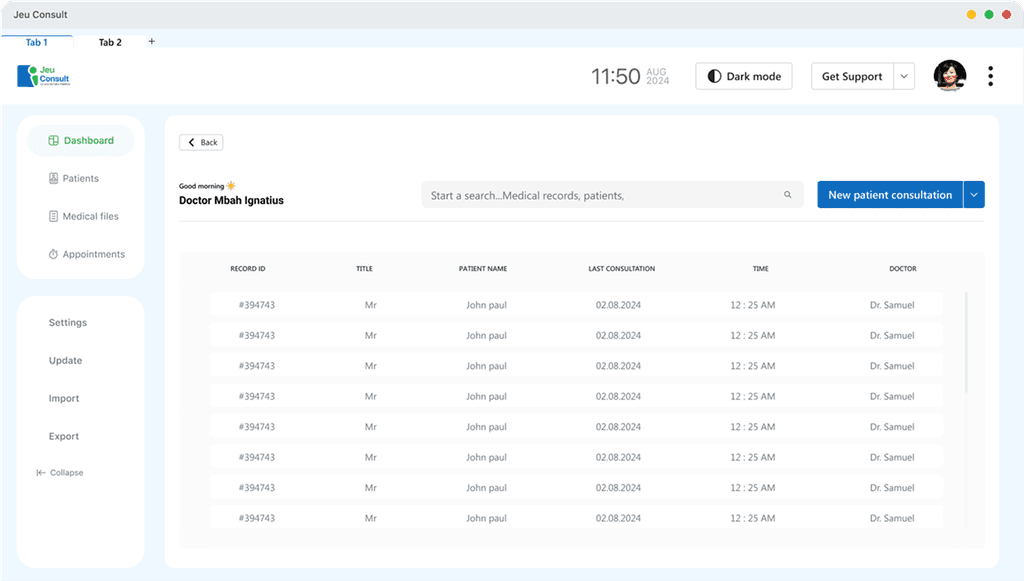
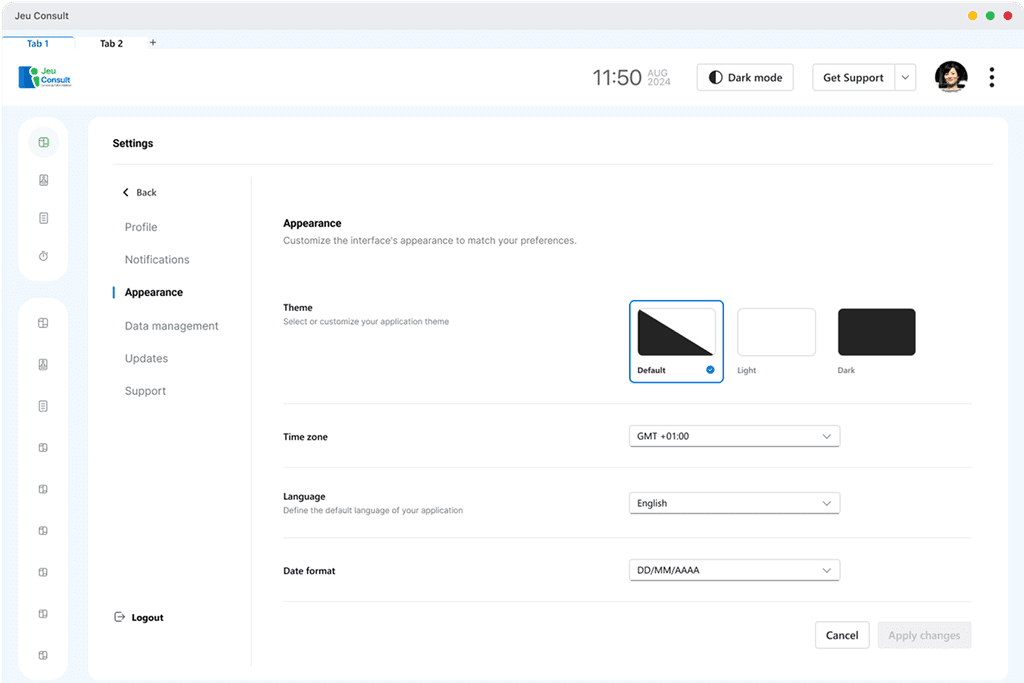
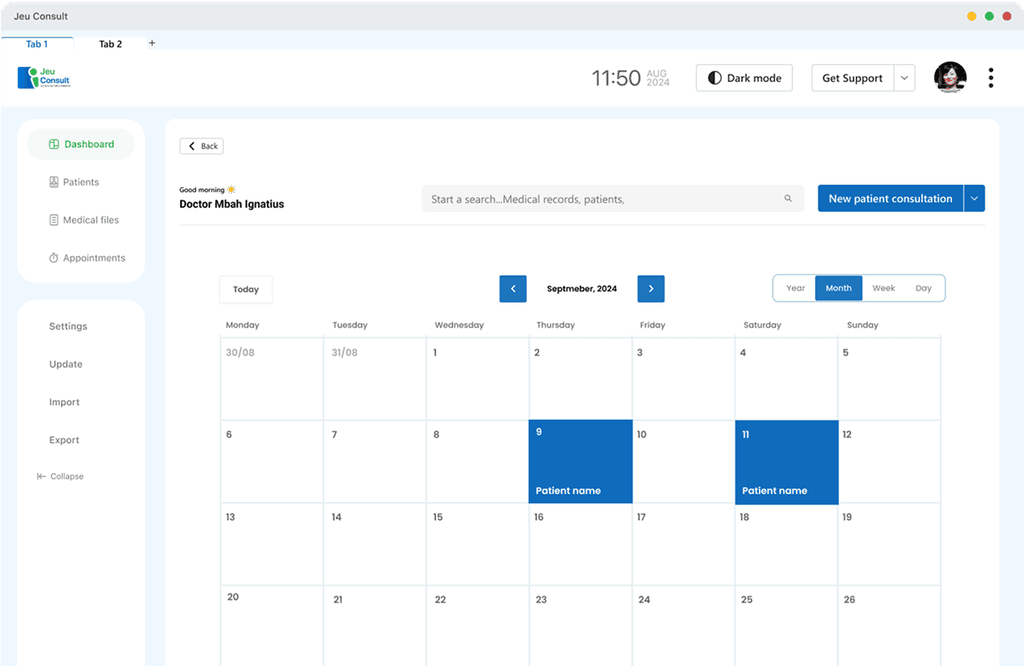
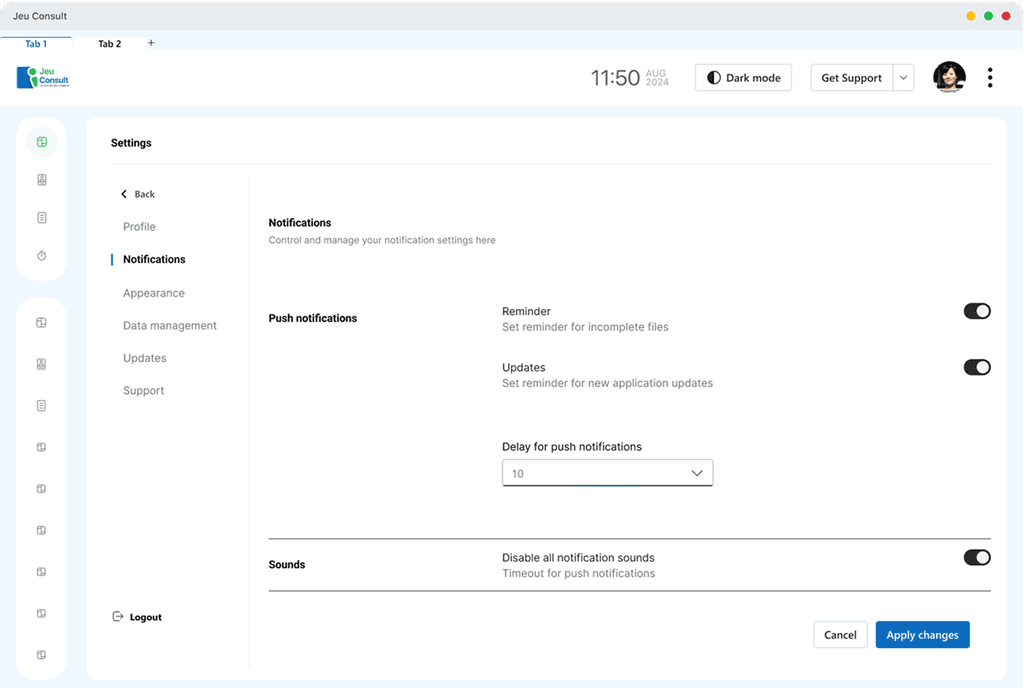
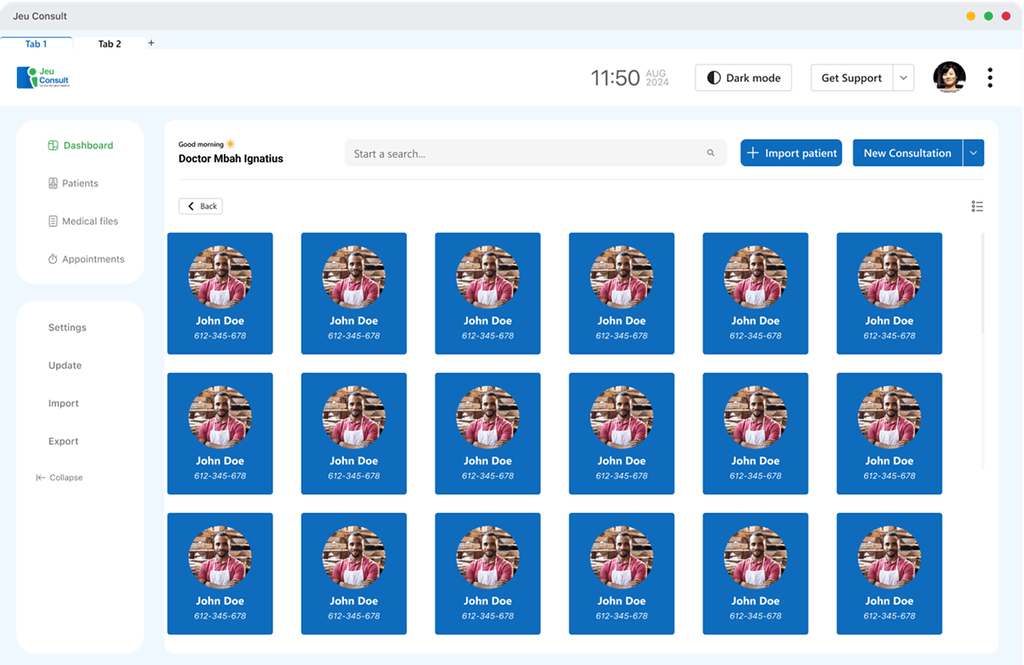
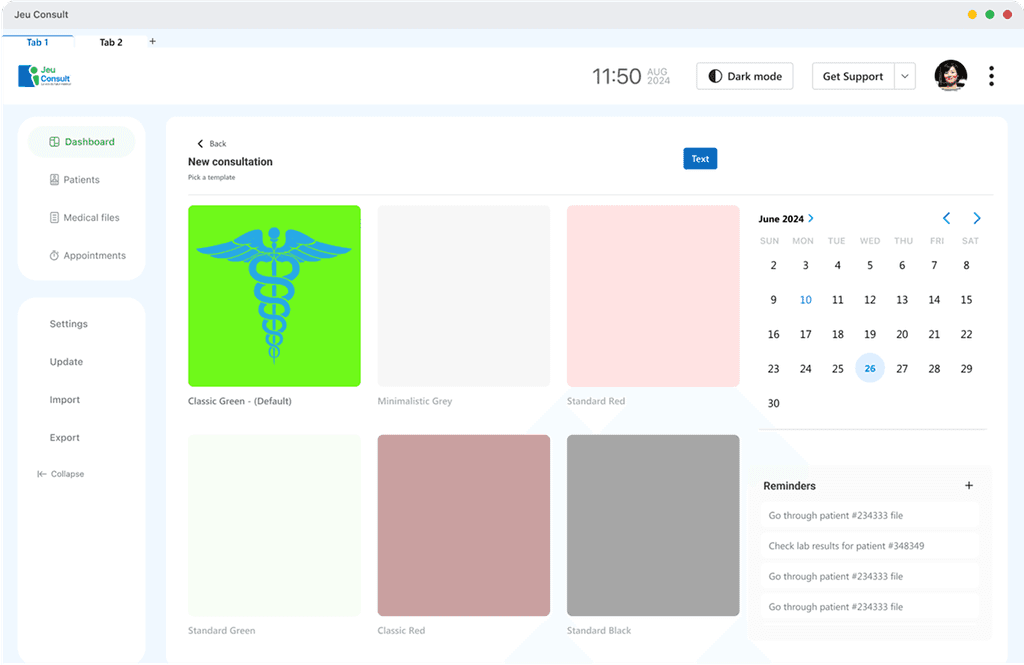
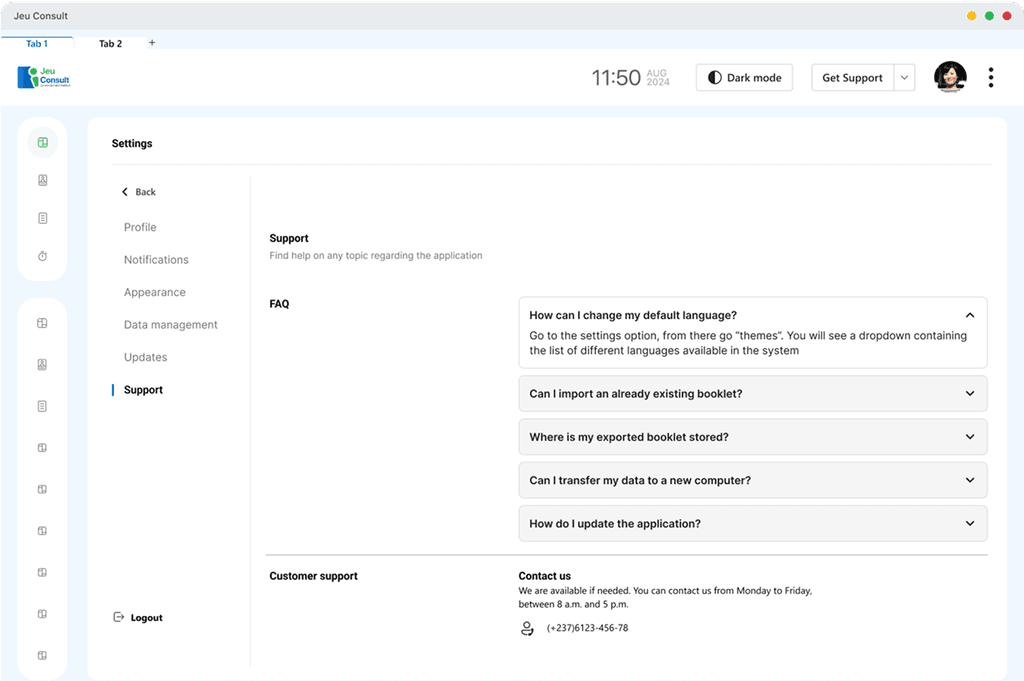
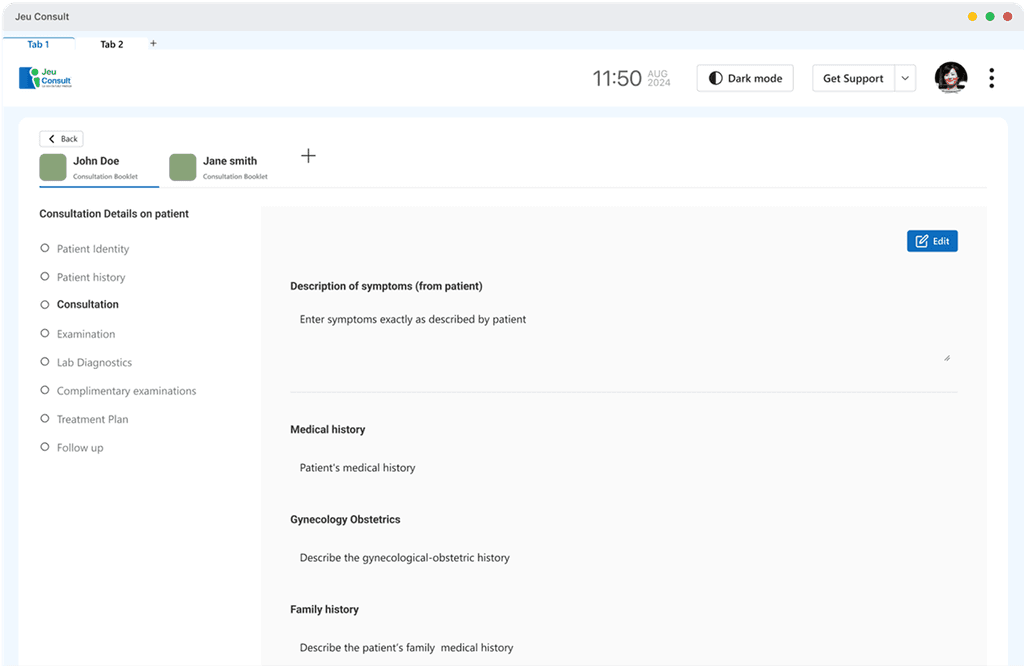
High Fidelity mockup

High Fidelity mockup

High Fidelity mockup

3.

3.

Outcome and conclusion

Outcome and conclusion

Success metrics

Success metrics

  • 75% Reduction in documentation time

  • 25% of consultation time spent on paperwork

  • 3x faster Consultation Processing

  • 100% clinicians staying in control of their consultations without any external agent

3.

Outomce and challenges

Challenges faced

Challenges faced

  • Collaboration with Non-Design Stakeholders (Doctors, Pharmacists, Engineers)

Solution: Ran design workshops using low-fidelity prototypes to facilitate conversations. Translated technical/medical requirements into visual artifacts everyone understood.

  • Designing for Edge Cases (emergencies, network failure, cross-device continuity).Unlike e-commerce, failure here could be life-threatening (missed prescription, lost consultation).

Solution: Built error states and recovery flows intentionally (e.g offline cache for last diagnosis, clear retry messages).

  • Iterating Without Real Patient Data (privacy constraints).Couldn’t test prototypes with real patient data due to sensitivity.

Solution: Role-play testing with recruited participants. Partnered with internal subject matter experts (doctors, pharmacists) for early validation.

Conclusion

Conclusion

JEU CONSULT™ demonstrates how thoughtful design and technology can ease the administrative burden on healthcare workers without compromising their clinical autonomy. By enabling instant, offline-first voice-to-summary documentation, it bridges the gap between efficiency and trust in medical practice. The solution has the potential to save valuable consultation time, reduce errors from manual typing, and improve patient record accuracy, especially in settings with limited connectivity. Looking ahead, scaling JEU CONSULT™ across diverse clinical environments will further validate its impact and refine its features to serve healthcare providers globally. Ultimately, this project underscores the power of cross-disciplinary collaboration in building tools that respect the clinician’s role while enhancing the quality of care delivered.

Home

About

Work

Contact

copyright © 2025

Create a free website with Framer, the website builder loved by startups, designers and agencies.